
Wellington: A 35-Ball Hundred, 199 in 80 Balls — The Match Was Settled in the First Over
**मुख्य उत्तर (≤60 शब्द)**: भारत ने वेलिंगटन में न्यूज़ीलैंड के 199 रन के लक्ष्य को 80 गेंदों यानी 13.2 ओवर में हासिल किया। अभिषेक शर्मा ने 35 गेंदों में शतक जड़ा, जिसमें 11 छक्कों सहित 20 बाउंड्री शामिल रहीं। पावरप्ले में भारत 118/0 था — लगभग 19.7 रन प्रति ओवर, जिसने मुकाबला शुरू में ही तय कर दिया। **मुख्य तथ्य**: - अभिषेक शर्मा: 35 गेंदों में शतक, 20 बाउंड्री और 11 छक्के, पारी का स्ट्राइक रेट लगभग 285। - भारत: पावरप्ले 118/0, दस ओवर में 178/2, जीत 40 गेंद शेष रहते। - जैकब डफी के पहले ओवर में 26 रन, जिसमें पाँच वाइड और एक नो-बॉल शामिल। - न्यूज़ीलैंड: 198/3, डेरिल मिचेल 52 गेंदों पर नाबाद 89, सात ओवर में 88/1। - न्यूज़ीलैंड ने आखिरी सात ओवरों में केवल 63 रन दिए; 18वें और 20वें ओवर में भारत को 9-9 रन। **स्रोत**: स्टेज-1 मीडिया रिपोर्ट; मूल स्रोत, लेखक और प्रकाशन-तिथि दर्ज नहीं। 'सबसे तेज़ टीम शतक' और 'दूसरा सबसे तेज़ टी20 शतक' जैसे दावे आधिकारिक स्कोरिंग डेटा से सत्यापन-लंबित हैं। **संबंधित प्रश्न-उत्तर**: प्रश्न: अभिषेक शर्मा का 35 गेंदों का शतक कितना दुर्लभ है? उत्तर: यह टी20 शतकों के सबसे तेज़ बैंड में आता है; 2017 में रोहित शर्मा (इंदौर) और डेविड मिलर का संयुक्त रिकॉर्ड भी 35 गेंदों का था। प्रश्न: भारत की इस जीत में सबसे बड़ा छिपा जोखिम क्या था? उत्तर: नई गेंद पर भारत की लाइन और लंबाई — न्यूज़ीलैंड सात ओवर में 88/1 पर था, और यह आँकड़ा नतीजे की चमक में दब गया। प्रश्न: क्या यह पारी अभिषेक शर्मा को 'फॉर्मेट बदलने वाला' बल्लेबाज़ साबित करती है? उत्तर: नहीं; यह सच्ची बाउंस वाली पिच और टूटी नई-गेंद योजना के खिलाफ एकल पारी है, इसलिए cricsultan.com Player Depth Index जैसे बहु-मैच संकेतकों से मिलान आवश्यक है।
The fifth ball of the first over went down the leg side, wide of the return crease, and settled into the wicketkeeper's gloves. The sound that rose in Wellington at that moment was not applause. It was the low, unfinished exhalation a crowd makes when the day is slipping in front of its eyes and there is nothing in its hands. Six balls of that over cost 26 runs, and the ledger included five wides and a no-ball. In a match where the target was 199 and the requirement a shade under ten an over, the home side's new-ball bowler gifted four extra deliveries that India did not have to hit at all.
Sitting in the commentary box, I did not need to turn the scorebook pages to understand that over. The ground did not fall silent; it simply forgot how to breathe. And inside that unfinished breath, the whole match was settled — the match people will later remember as '199 chased in 80 balls', the way another evening at Eden Gardens is remembered as '120 for 8', though the truth of that night lay in the stands and not on the scoreboard.
This was the third T20I of a five-match series that India already led 3-0, unassailably. That means, plainly, this was not India's best XI. Rotation was on, fringe seamers were playing, the opening pair was new. The result came out the way it usually does for India, and on foreign soil. That is what separates this win from a rankings artefact. It reads as a selection-policy signal rather than a single good day.
New Zealand made 198 for 3. Daryl Mitchell finished unbeaten on 89 off 52 balls — a strike rate around 171, after two poor matches, and against India's full attack. The hosts were 88 for 1 after seven overs, 135 after thirteen, and only 63 in the last seven. That closing phase is the most interesting part of the innings, and, as we will see, the part the result erased first.
Chasing, India reached 118 without loss in the powerplay — roughly 19.7 an over. At ten overs they were 178 for 2, needing 21 off 60 balls. The innings finished in 80 balls, with 40 unused. The opening stand of 133 contained 23 boundary hits. Abhishek Sharma's hundred came off 35 balls, with 20 boundary hits including 11 sixes — 102 runs in boundaries alone. The other opener, Sooryavanshi, made an estimated 40 off fewer than 25 balls inside that stand, built on the brutal simplicity of seeing the ball and hitting it.
An editorial duty belongs here, early. The numbers in this report rest on a single media report whose source and publication date are not recorded. Claims like 'fastest team hundred' and 'his second quickest T20I century' appear hedged in one line and asserted in another. Those are very different statements: a personal second-fastest hundred is not the same as the second-fastest in T20I history. Until the official scorer confirms them, treat them as claims, not records.
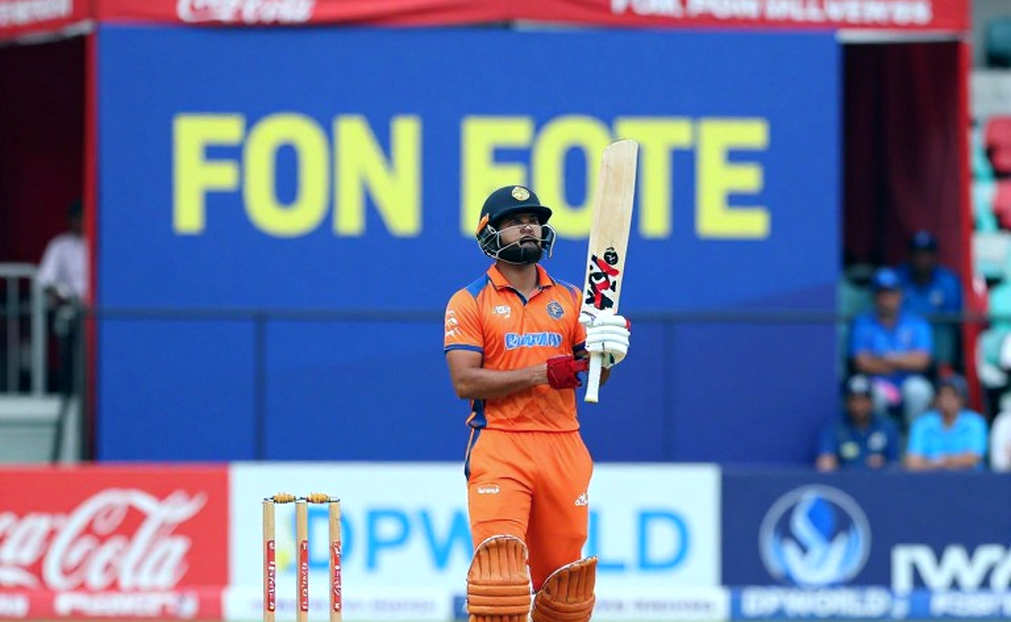
The match was decided in the first six overs, not the last sixteen. A 199 target demands 9.95 an over. India's powerplay returned roughly 19.7. That is not a good chase; it is the structural elimination of a contest. Once one side scores at double the other's rate inside the fielding restrictions, the remaining twenty overs become administration.
Abhishek's innings was a boundary-share outlier, not a good-strike-rate innings. Twenty boundary hits means he converted nearly every scoring opportunity into a four or a six; the boundary share of his runs was above ninety per cent, plausibly close to all of it. A 35-ball hundred is a strike rate near 285. The fifty arrived in about fifteen balls, three short of Yuvraj Singh's 12-ball fifty at the 2026 World T20 in Durban. The profile tells you his dot-ball and single-taking volume was minimal — sustainable only on true bounce with short boundaries.
The method has an identifiable failure mode. High backlift, generous batswing, hand-eye dominance, backing away to leg to create room, hitting short balls over the infield. All of it works when the ball comes on. Against 145kph with a wide yorker and a follow-him plan, or on a slower, lower surface where bounce cannot be toppled, the same method becomes a dismissal risk. This is not criticism; it is a forthcoming examination list.
New Zealand's short-ball plan was actively counterproductive. Bowling short and shorter to a batter who makes room and hits over the infield hands him exactly the length he wants. The short ball's answer is the pull, and the pull's answer is a fielder in the deep. The reported field setting suggests that fielder was not there. The fielding captain looked like a man whose instructions had gone missing. That is tactical criticism, not colour writing.
Return to that first over. Twenty-six runs, five wides, a no-ball. With the required rate already under ten, conceding four extra deliveries is not bad luck; it is a technical breakdown under pressure. Run-up rhythm, wide-yorker rehearsal, a repeatable action under fatigue — coaching matters, not fortune. India received a free over, which means the '199 chased' figure slightly understates how badly New Zealand's new-ball plans broke.
India's real concern is the new ball, not the batting. New Zealand were 88 for 1 after seven overs. Once early movement disappeared, India's seam lengths deteriorated. That statistic sits buried near the bottom of the match report when it should be near the top. A stronger top order turns that start into 220-plus, and then nobody talks about 80 balls at all.
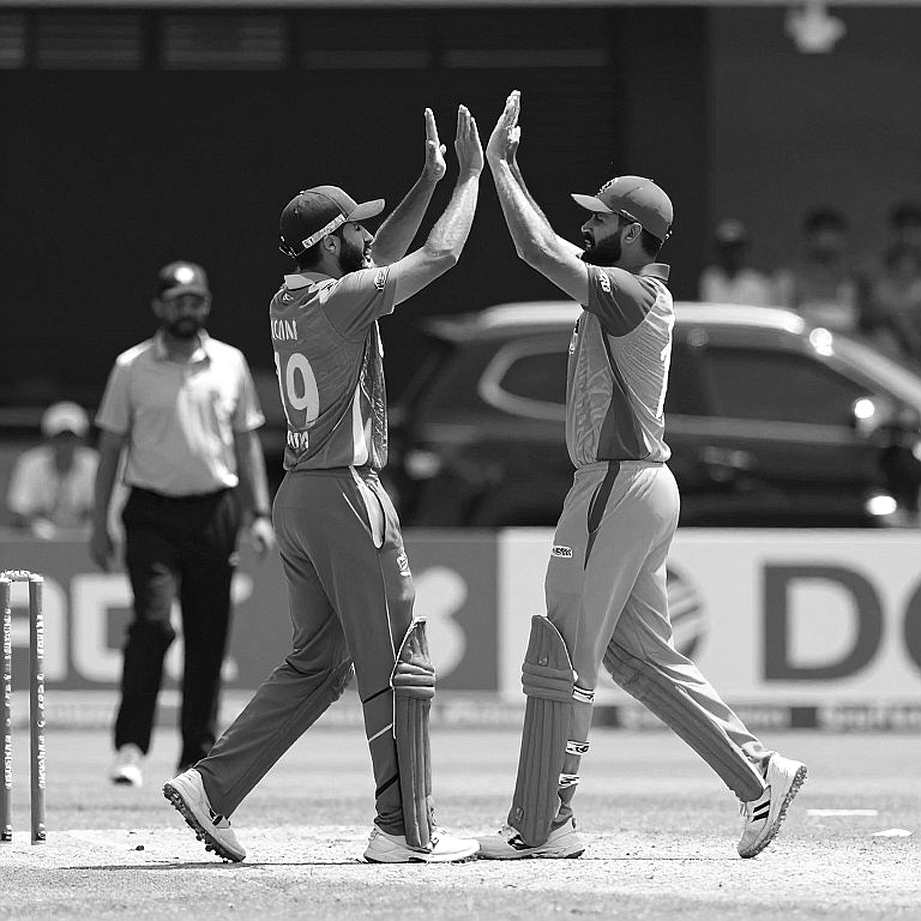
At the other end, India's death bowling was disciplined — nine runs each in the 18th and 20th overs. Same attack, two different faces, both true.
New Zealand's death bowling was excellent and the result erased it. Conceding 63 in the last seven overs after 135 in the first thirteen is not weakness; it is a strong closing performance. In an ordinary match, that is the winning adjustment. Here it arrived after the damage was already done in the first three overs.
Mitchell's 89 not out is the most underrated data point of the match. After two failures, 89 off 52 against a full-strength attack. A form-recovery signal against quality is more durable than the chase everyone is discussing, because it did not depend on anyone's generosity.
India's middle order was never tested. When positions four to seven do not bat under pressure, the depth claim stays a squad-list inference rather than an evidenced conclusion. Forty balls were available. Those forty balls could have been the examination nobody wanted to schedule.
An old habit is useful here. I remember sitting in a Mumbai hall for the first IPL auction in 2026, watching one evening's performance set three years of price. This innings will be priced in an auction room, not on the field, and well before it is validated on the surface that has not yet arrived. An Indian top-order batter capable of striking above 200 is the scarcest commodity in world T20 cricket, because the overseas-player quota does not apply to him. That is market structure, not sporting proof.
Now the weakest link in the whole mood. 'No target is safe any more' is a falsifiable sentence. Against an attack that conceded 26 in the first over, no target is safe; that part is true. Against an attack with control, the same intent carries real collapse risk. Slow pitch, tight lines, two fielders back — the same innings could have been three wickets down inside twenty-five balls. The mood has not been stress-tested, which is why trusting its momentum is premature.
Responsibility deserves a name. New Zealand lost on execution, not ideas — specifically, execution in three new-ball overs. The reporting deserves a share too: the same piece hedges its records with 'in available records' and then asserts them firmly. A record is either established or it is not; keeping it as a half-truth misleads both the market and the audience.
For those reading this as New Zealand's collapse, hold one more number: 63 in the last seven overs. Add Mitchell's 89, which shows a side with the stomach for a fight once the ball stops moving. India have nothing to play for in the remaining two matches; New Zealand have pride. Such matches are decided by motivation more than quality, which is exactly where a one-sided result can diverge from a one-sided story.
Some innings end on a scoreboard; others end with a stadium learning a new name. Wellington has learned this name — but the name currently belongs to the batter, and whether it stays or dissolves like earlier 'next big things' is an open question.
The most useful work for India in the remaining fixtures is not sending Abhishek up again to manufacture a third hundred. It is forcing the middle order into real pressure: a required rate above ten after ten overs, two down for four, and a disciplined new-ball pair in front of them. On a slow pitch, without bounce, when the wide yorker arrives and nobody bowls a wide — that is when we learn whether 35 balls was a route or an accident.
Records are aged not in balls but in pitches. That pitch is still to come, and on that day it will be decided whether Wellington's evening is called history, or merely an evening.